

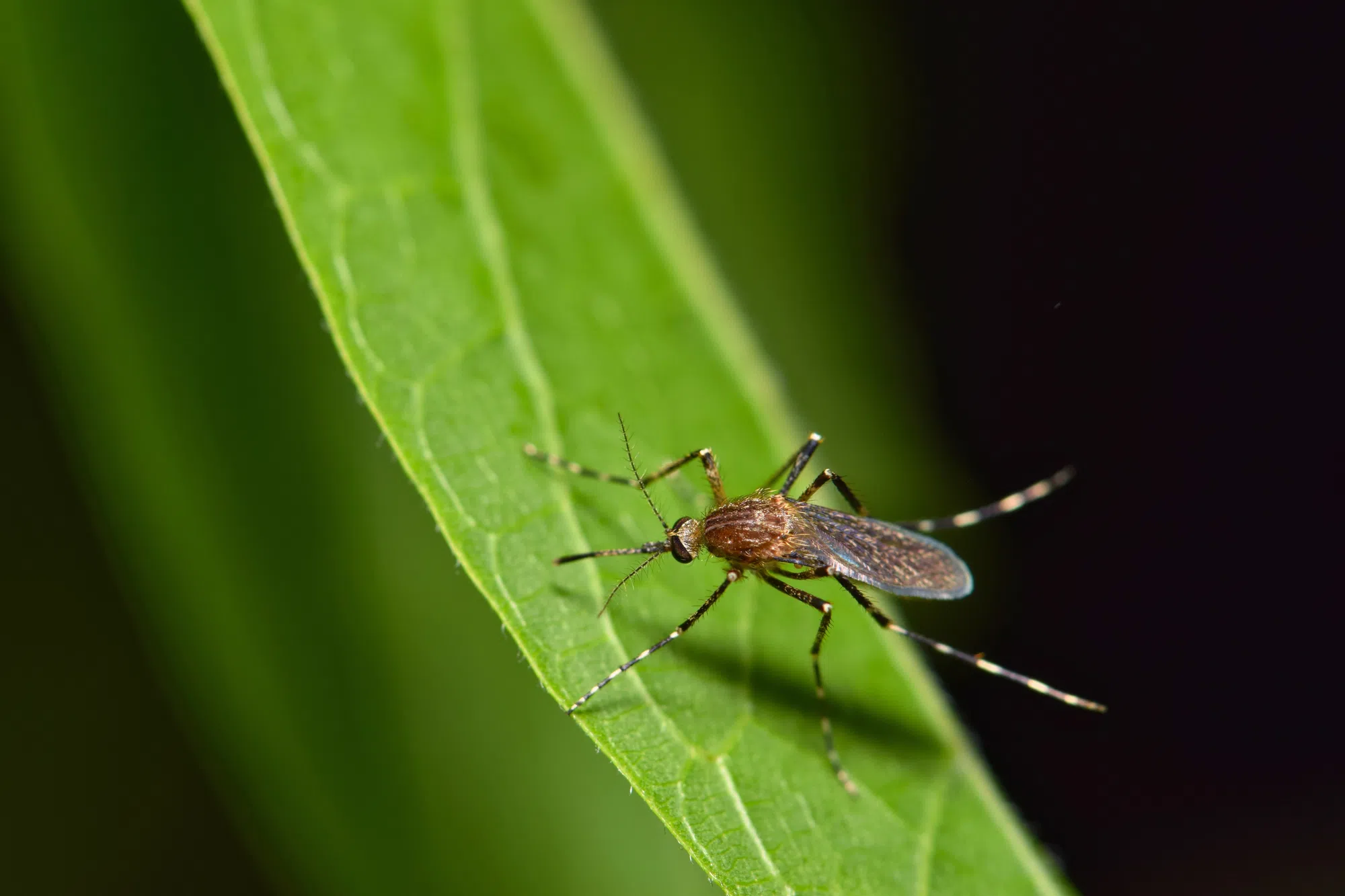
The Marion County Health Department is reporting a positive mosquito batch for West Nile Virus in Central City.
The Culex pipiens mosquito, commonly called a house mosquito increases in numbers during July and August and the percentage of infected mosquitoes also increase with the greatest risk from now until September 15th.
Anyone who is infected can potentially develop West Nile Virus disease. However, people 50 years of age or older or who are immunocompromised are at highest risk for West Nile Virus disease, but younger people are also known to have this infection.
The health department says you can take the following precautions:
- Cover up. Wear long sleeved shirts, long pants, and socks when doing outdoor activities. These activities include walking pets, outdoor sports, gardening, camping, hiking, and other outdoor activities, especially during dusk to dawn. Tightly woven materials provide better protection.
- Use and insect repellent with DEET. When used according to the manufacturer, insect repellent with DEET is effective. Parents, please see below for further recommendations when using DEET on children and infants.
– An adult should apply insect repellent on young children. Apply it to your own hands and then rub them onto your child. Avoid contact with children’s eyes and mouth and use them carefully around their ears. Do not apply any repellent to infants without consulting a physician. Do not apply repellent to children’s hands to avoid ingestion from children’s hand-to-mouth activities.
– Keep all repellents out of reach of children.
- Repair screens in doors and windows. Frequently inspect screen doors and windows. Immediately repair any holes and loosely fitting components.
- Protect infants in carriers. Mosquito netting can be used over infant carriers.
- Stay indoors. When possible, during prime mosquito biting hours from August to October, schedule indoor events/activities.
West Nile Virus is spread to humans from the bite of an infected mosquito. These mosquitoes most actively bite from dusk to dawn. Most people who are infected with West Nile virus disease either have no symptoms or experience a mild or moderate, short-term flu-like illness. Some people may also develop a rash, or swollen lymph glands. Severe illnesses may include encephalitis (inflammation of the brain) or meningitis (inflammation of the membrane around the brain and spinal cord). People who have symptoms usually become ill 3 days to 3 weeks following the bite of an infected mosquito.
