

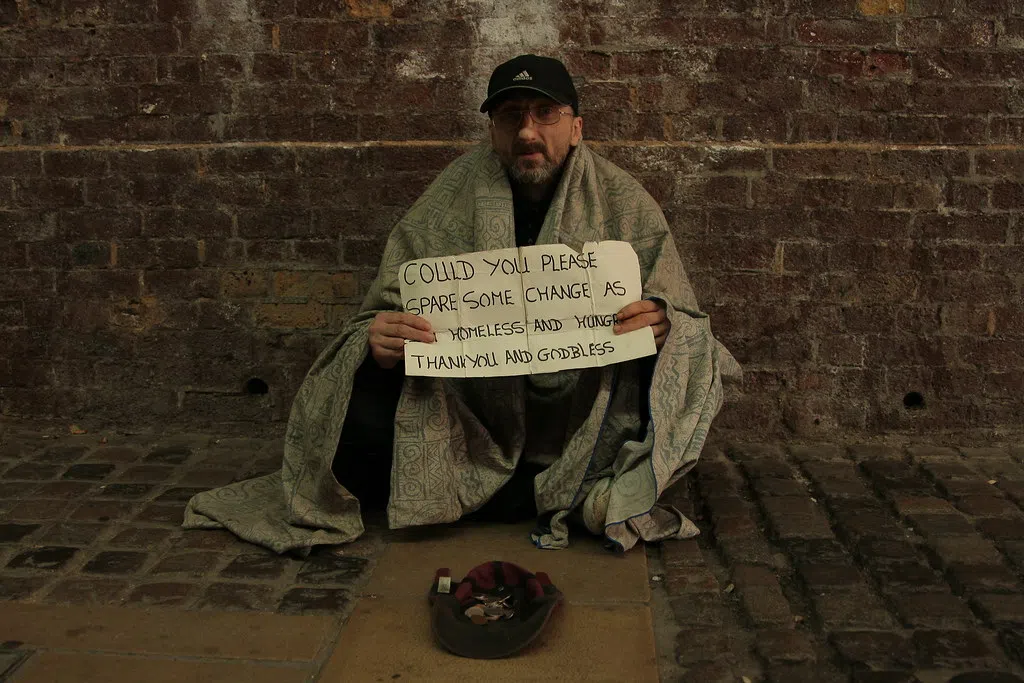
The latest homeless morbidity and mortality report from the Illinois Department of Public Health (IDPH) shows that persons experiencing homelessness (PEH) face significant health challenges and are much more likely to face emergency department visits, hospitalizations, and premature death than the public at large.
The new report examines data from 2017 to 2023, including death certificates, hospital records, and the results of the annual “point-in-time” count of unhoused individuals, conducted each year around the country on a night in January. The study finds that overall, approximately 10,000 people in Illinois during that time frame experienced “literal homelessness,” where they had no sufficient shelter at all, while potentially more than 200,000 people were in unstable housing situations, living temporarily with family and friends. Those numbers are likely undercounted because of limitations in the data systems that can identify and count unhoused individuals.
“This report once again demonstrates the toll that homelessness takes on the health of the unhoused,” said IDPH Director Dr. Sameer Vohra. “It also serves as a reminder of how critical information and targeted interventions can make a meaningful and lasting difference. Under the leadership of Governor Pritzker, IDPH, in partnership with the Office to Prevent and End Homelessness, our sister stage agencies, and community partners, will use the report’s findings to develop workable, realistic strategies to get people housed and healthier.”
The average age of death for people experiencing homelessness in the period of time covered in the report was nearly 20 years younger than for the housed population of Illinois in that same period (55.5 years old, compared to 74.2 for all persons). The homeless were far more likely than the housed population to die from drug overdoses (39.3% versus 4.9%), traumatic injuries (11.3% versus 5.6%), or excessive cold (3.7% versus 0.1%). Homicide fatalities among the homeless were nearly three times higher than the rate for the housed population (3.1% versus 1.1%).
The report found that early access to general health and psychiatric services, as well as housing programs, has been shown to be associated with reduced morbidity and mortality in people experiencing homelessness. Improved surveillance data of mortality and health care utilization patterns of the homeless can inform policies that address unstable housing, homelessness, and their health care needs.
The full report can be found here. An executive summary can be found here.
