
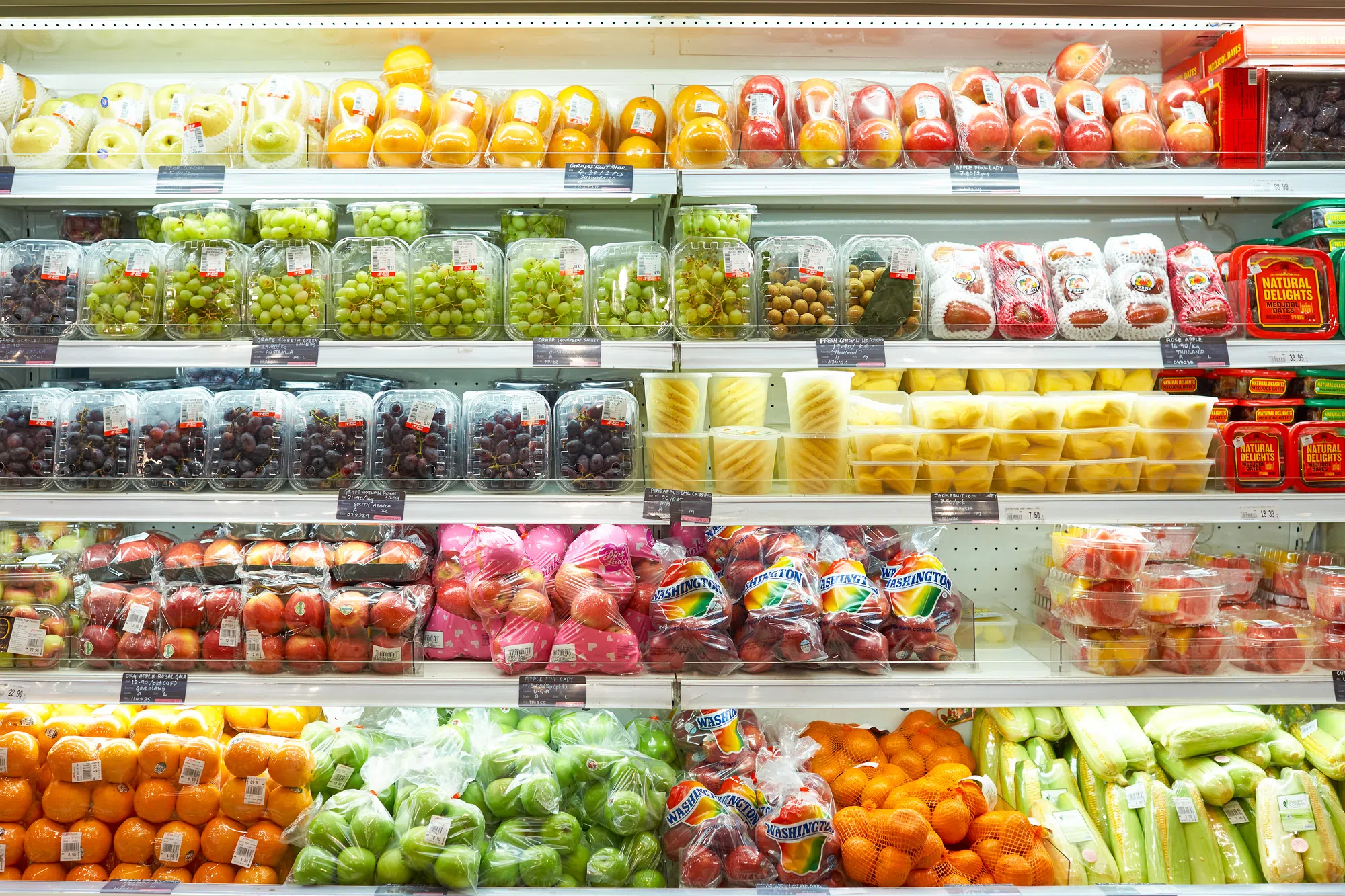
Illinois’ statewide 1% grocery tax will go away on Jan. 1, though many people will continue to pay it at the local level.
Data compiled by the Illinois Municipal League shows that 656 municipalities — a little more than half of the state’s municipalities — have passed an ordinance establishing their own grocery tax. Those communities are home to 7.2 million people, or 56.5% of the state’s population. Salem, Centralia, and Mt. Vernon are among the larger local communities to approve a local tax. Three counties — Washington, Wabash and Moultrie — have also approved countywide grocery taxes.
Gov. JB Pritzker signed a bill in 2024 eliminating the 1% statewide grocery tax, which he touted as a measure to ease residents’ tax burden. But because the revenue from the state grocery tax went to municipal governments, rather than state coffers, the measure allowed local governments to levy their own 1% tax via ordinance, rather than a referendum to voters.
